Tourism Day 2026
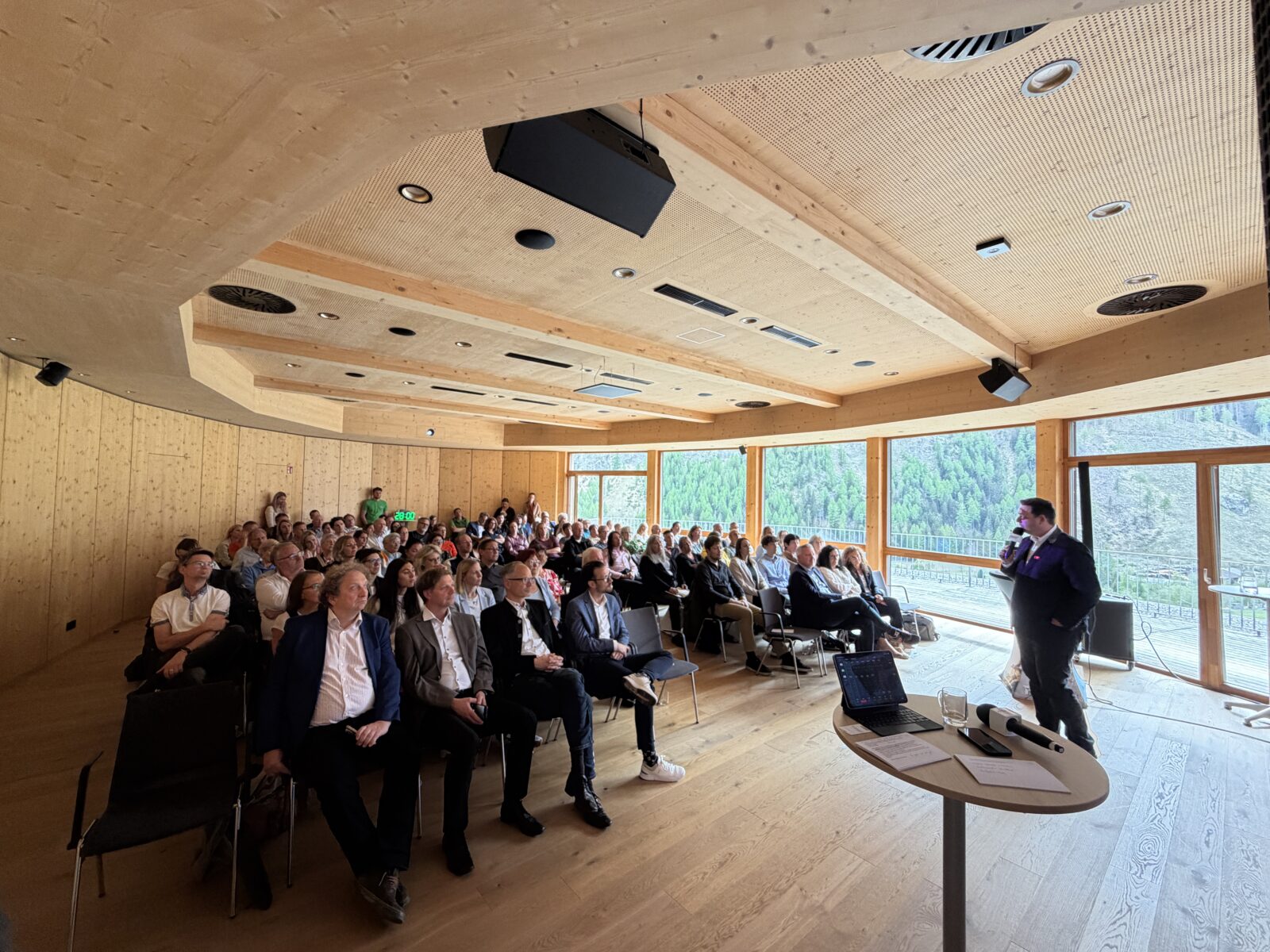
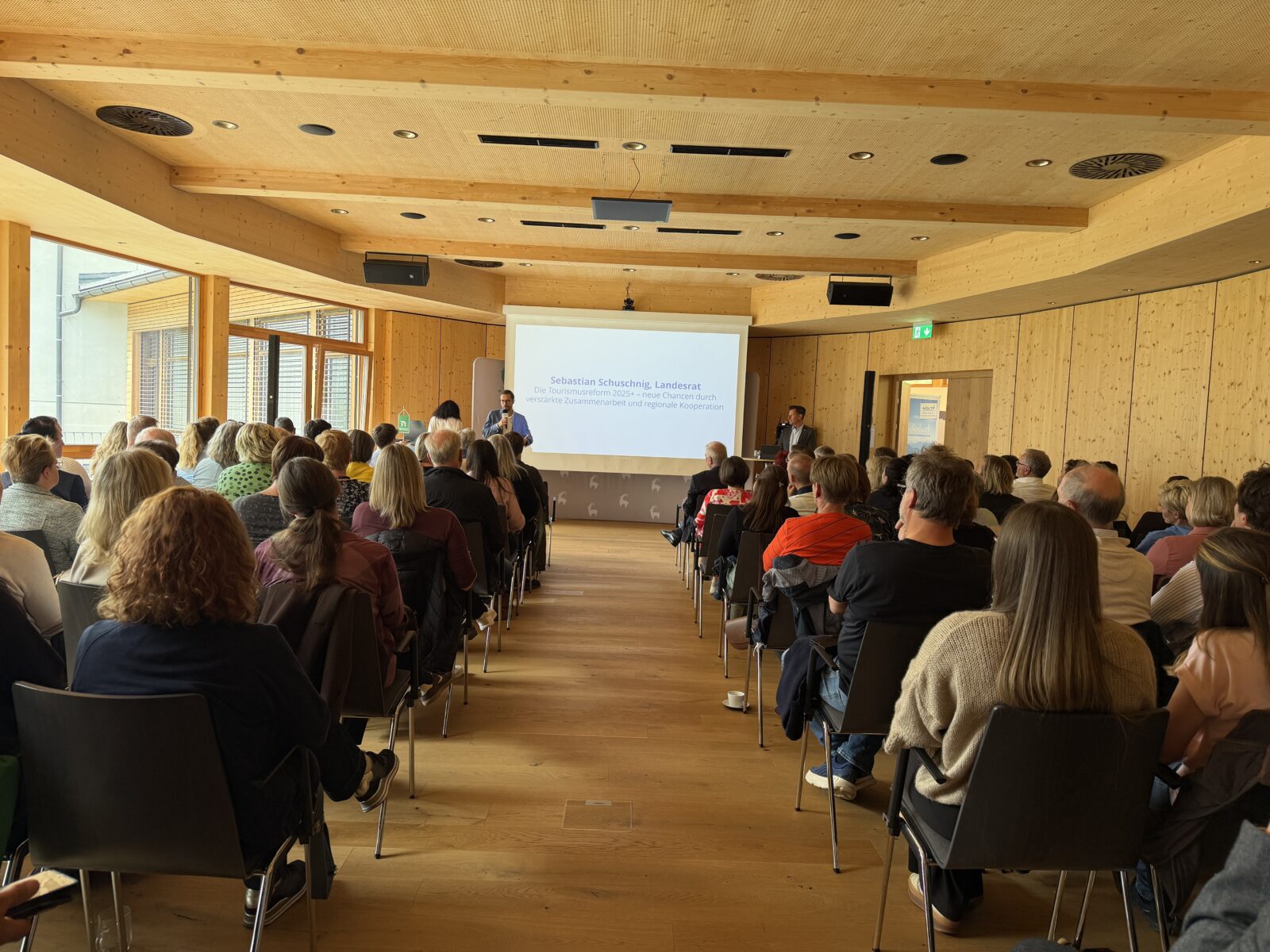
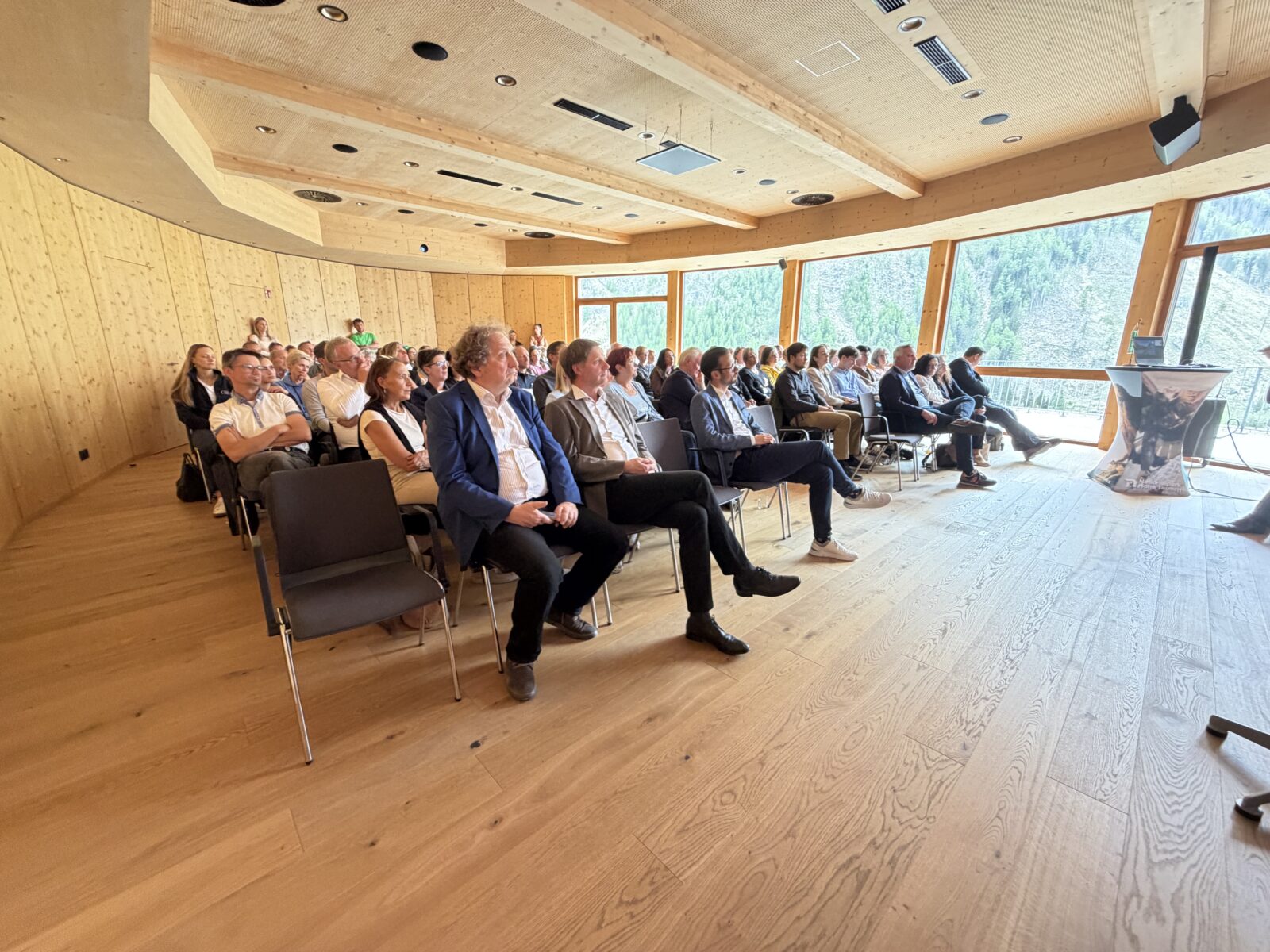
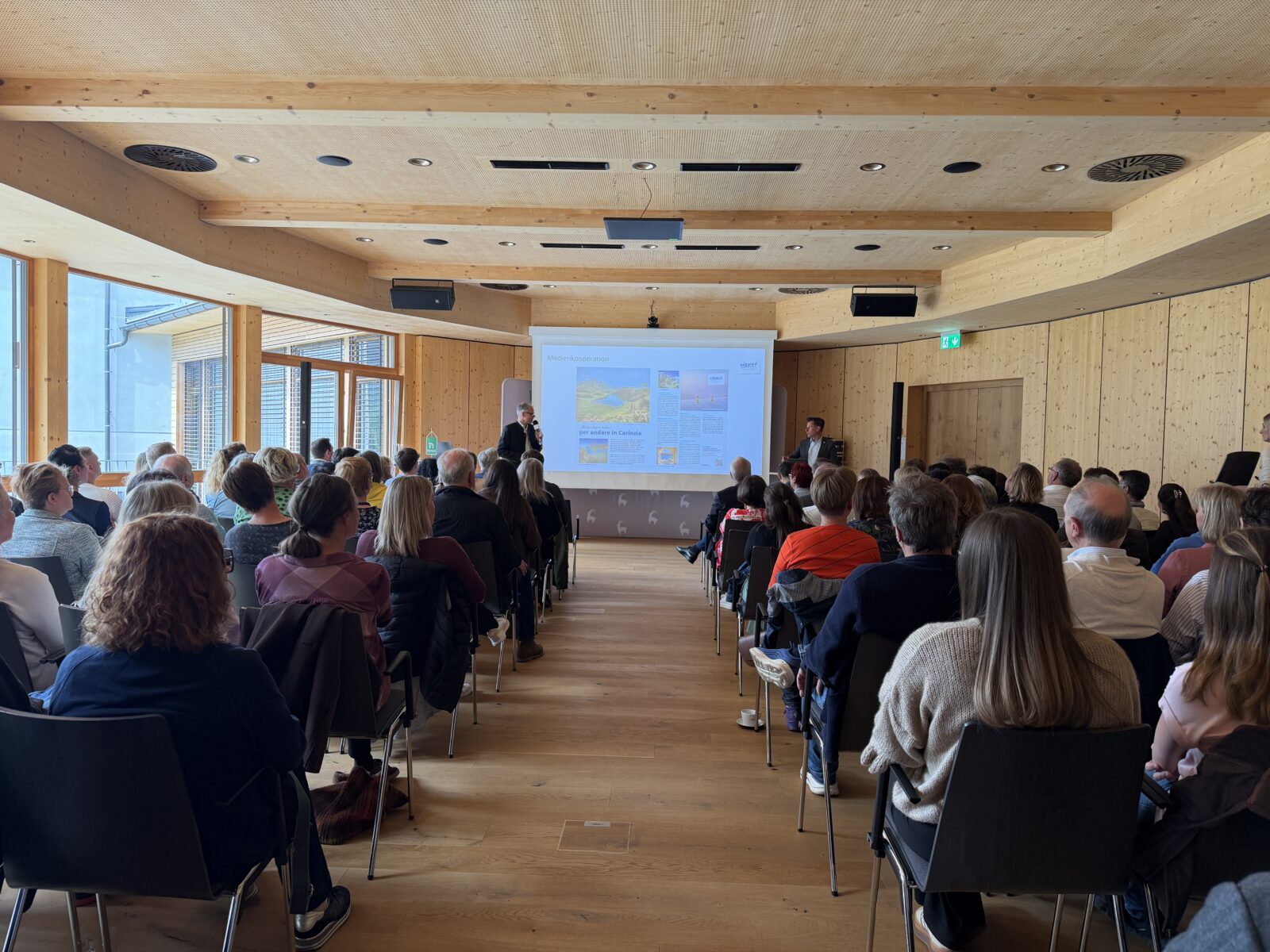
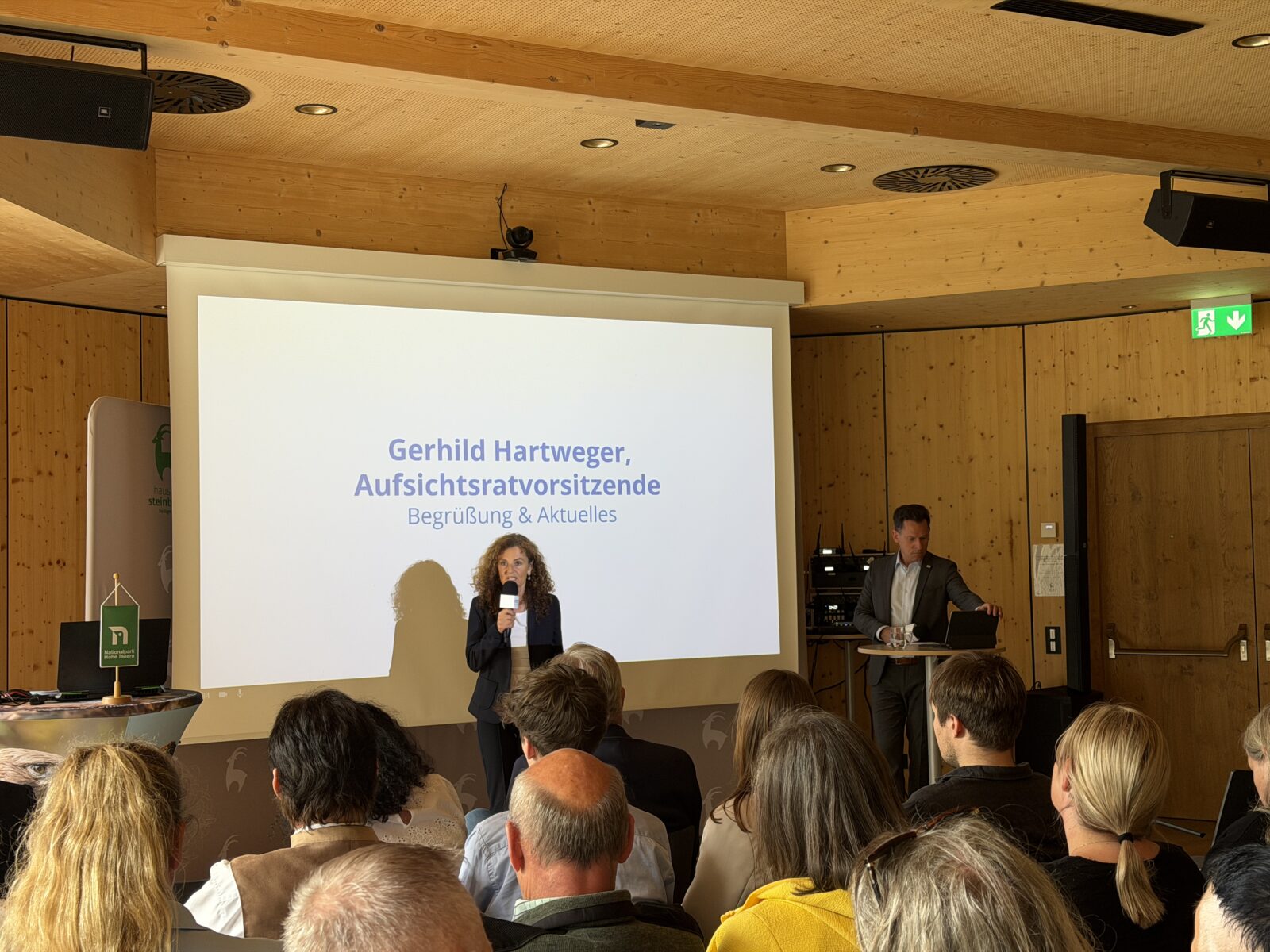
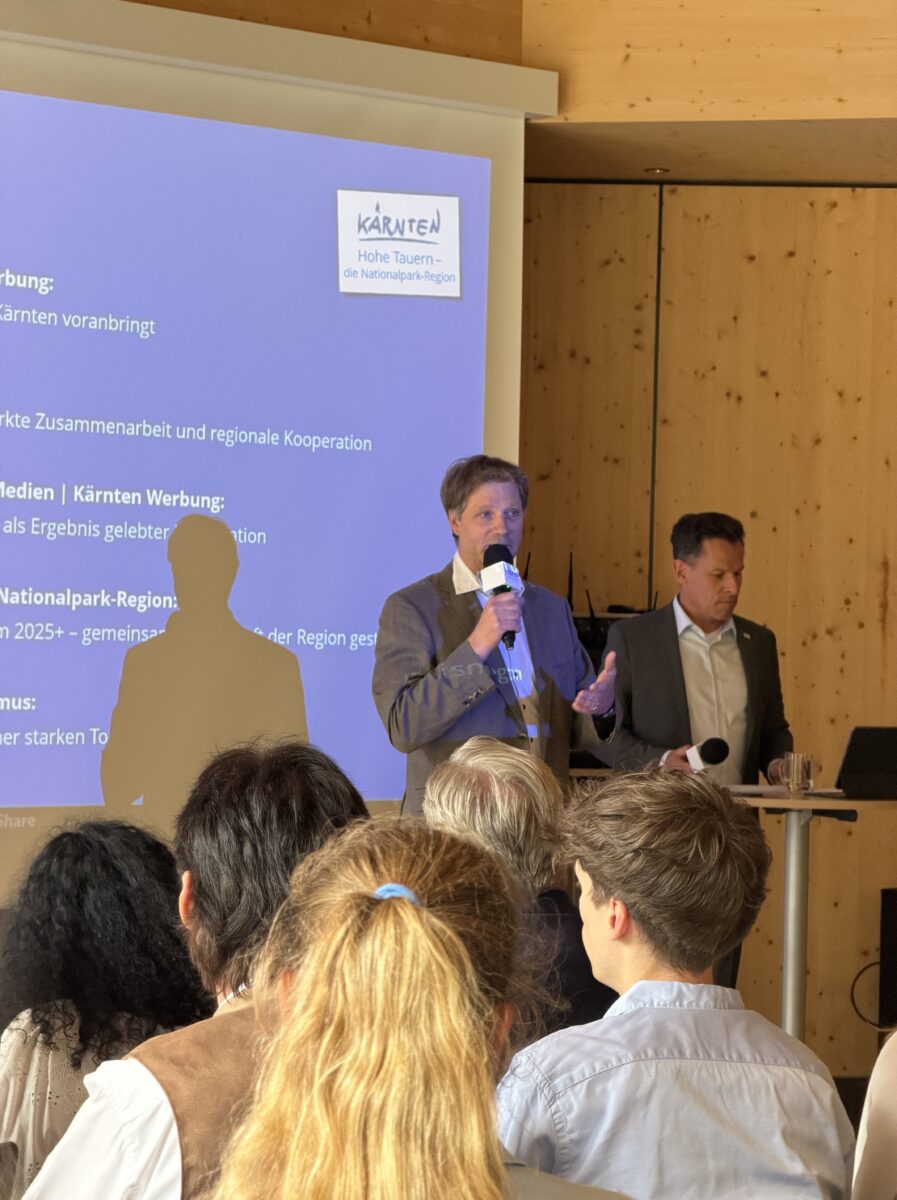
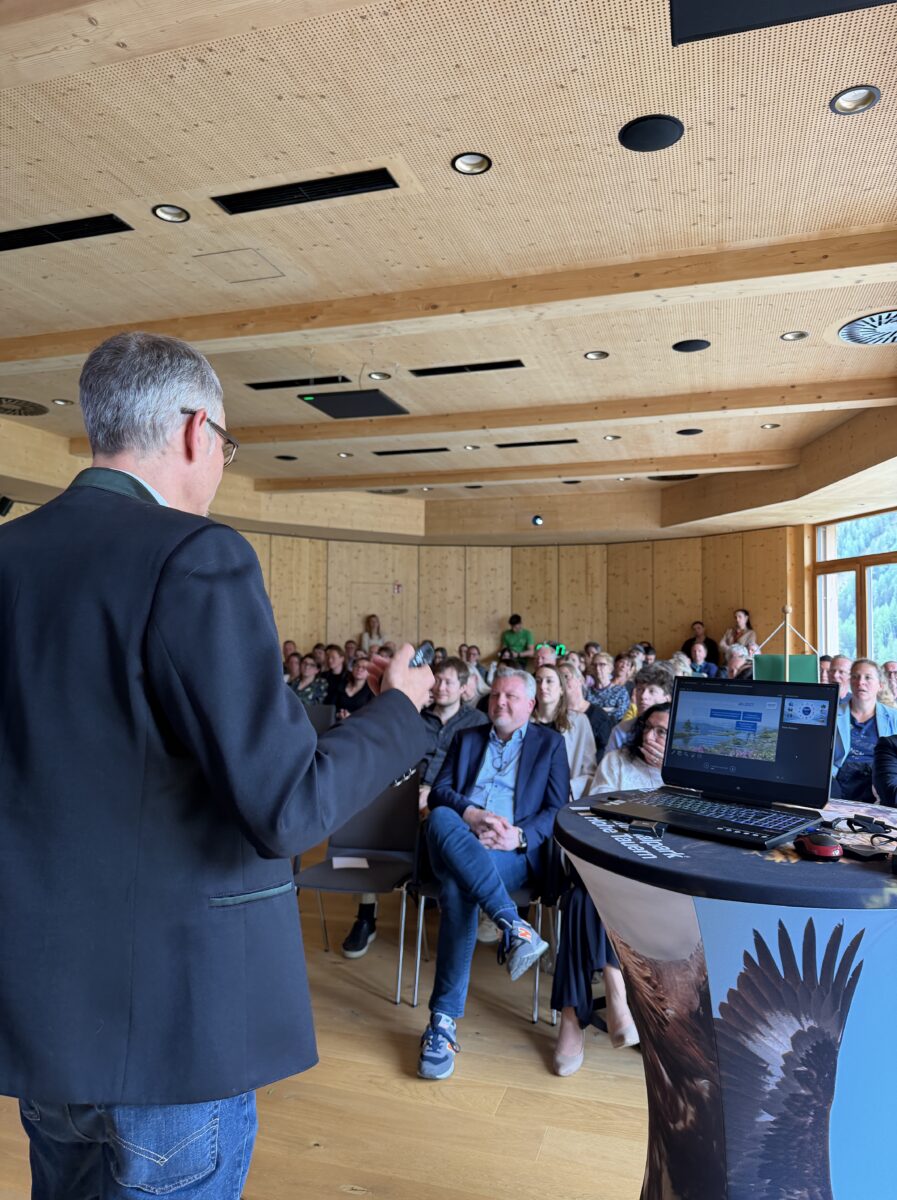
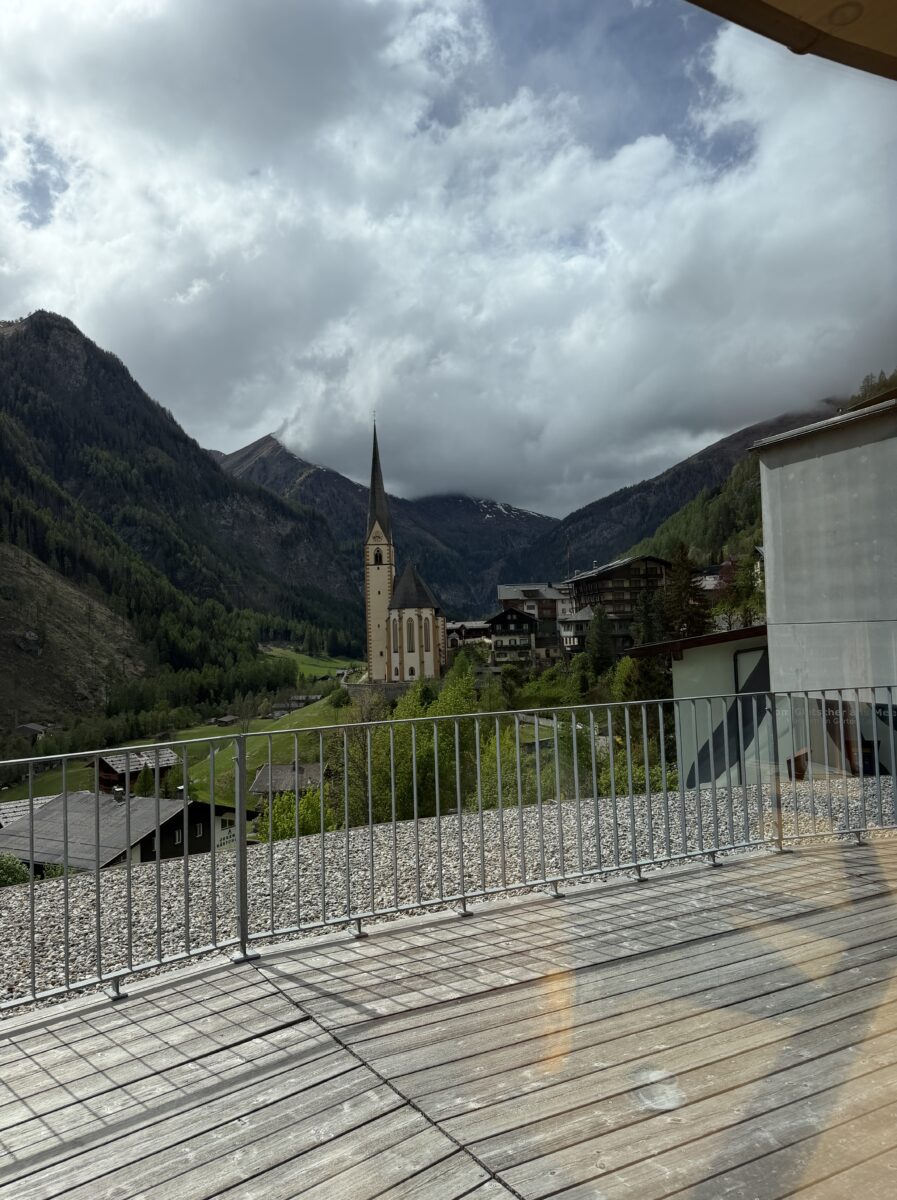
On May 6, 2026, we welcomed numerous guests to this year’s Tourism Day at the Haus der Steinböcke in Heiligenblut. The high level of interest was evident from the packed event hall—a clear sign of the importance of collaboration within our tourism region.
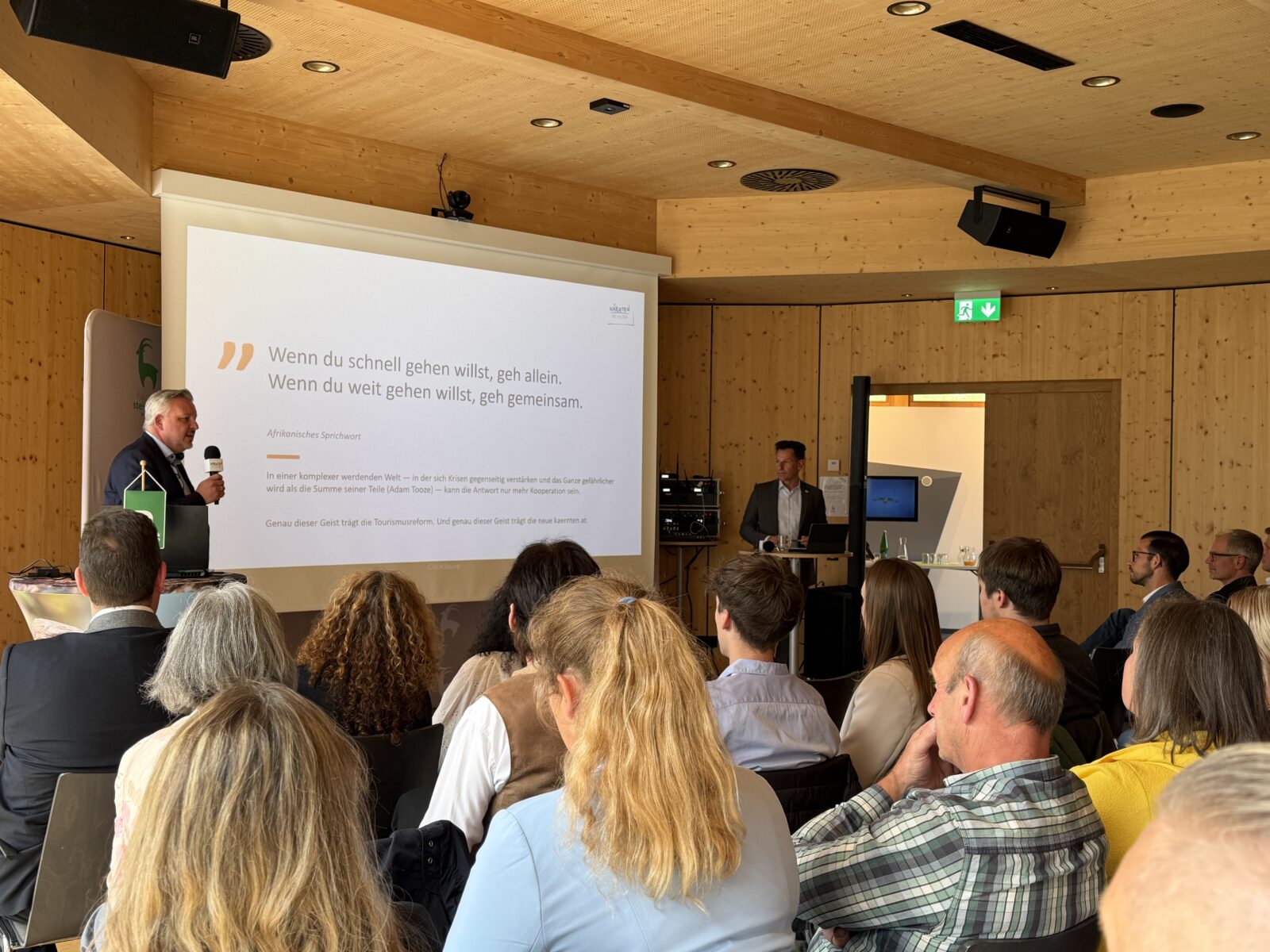
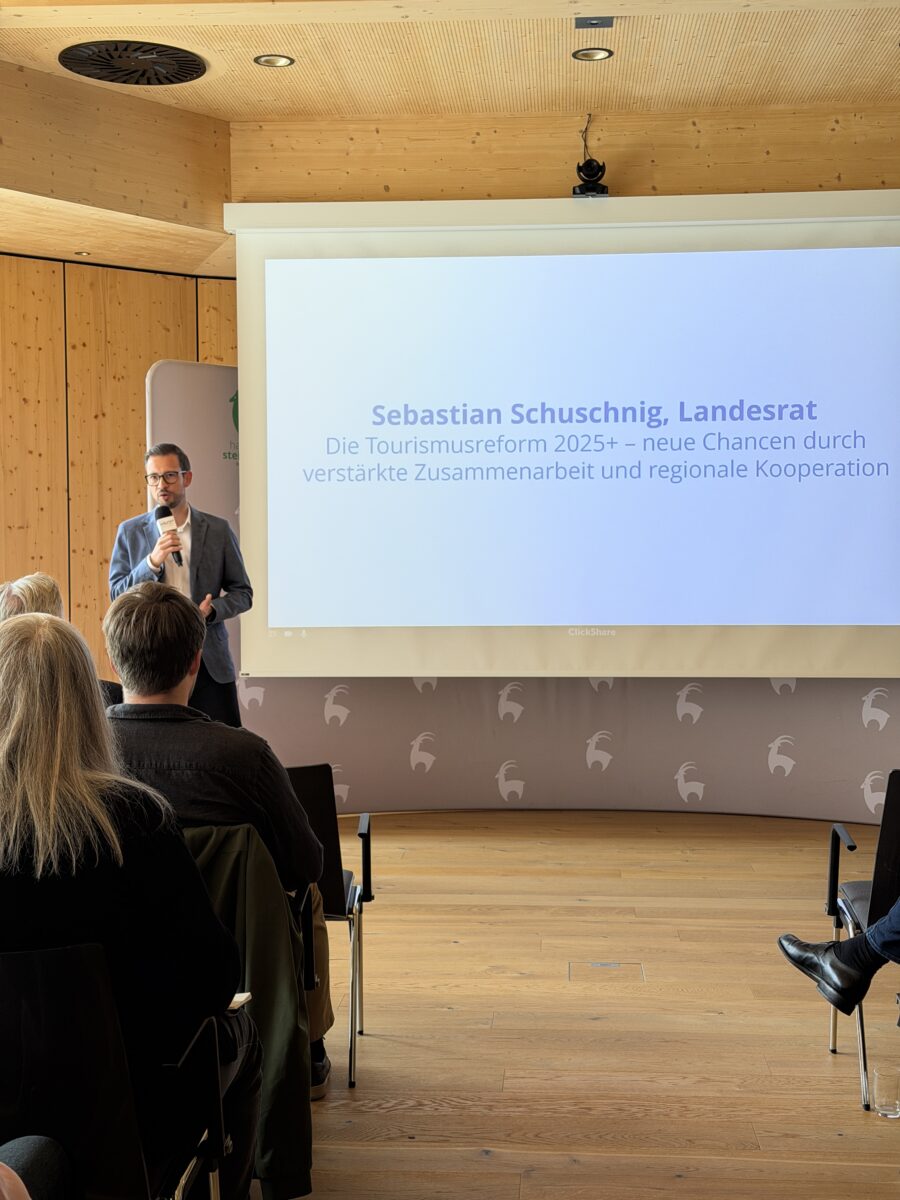
Under the theme “Cooperation as the Key to Success,” visitors were treated to a diverse program featuring thought-provoking insights into the future of tourism. The focus included the upcoming Tourism Reform 2025+, the opportunities presented by increased regional cooperation, and concrete examples of active collaboration from Carinthia and beyond. The new Carinthia website, a result of joint digital collaboration, was also part of the program.
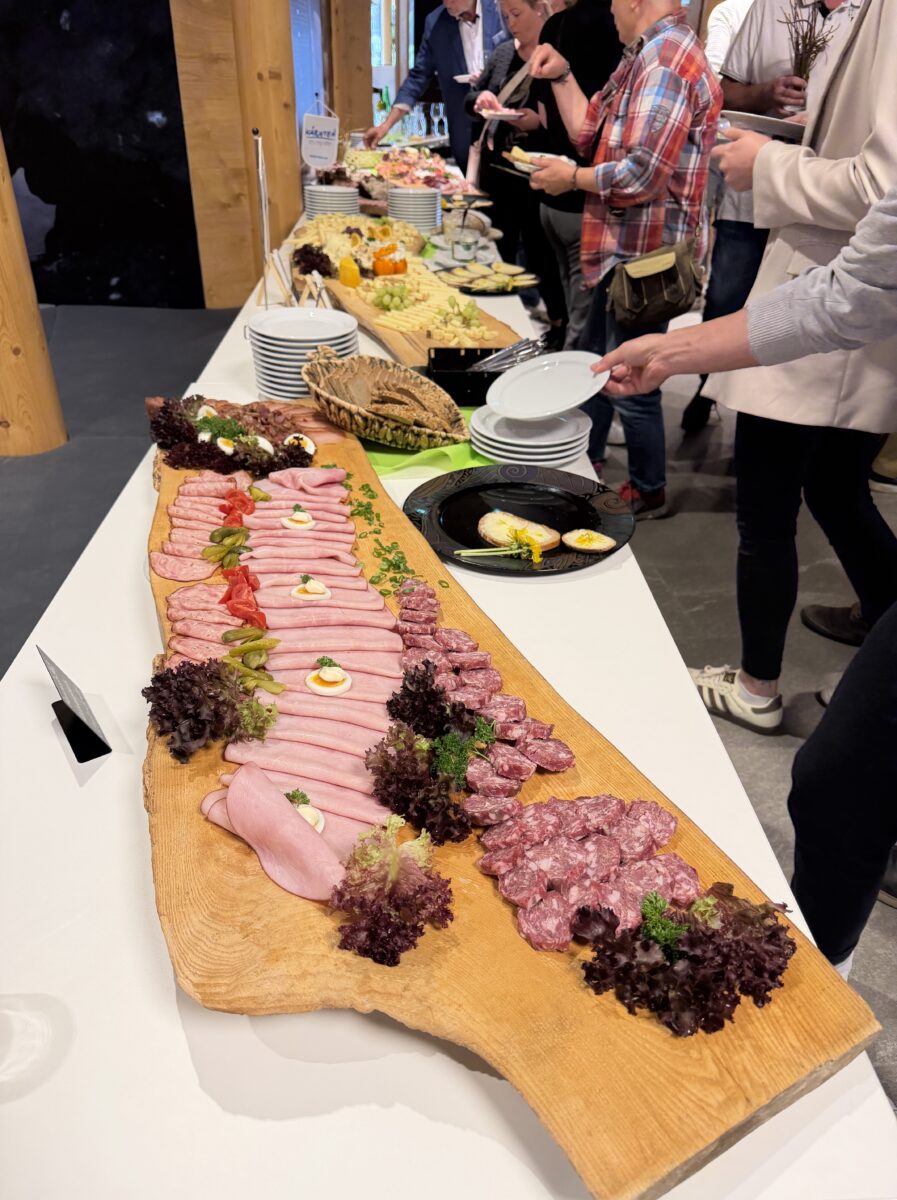
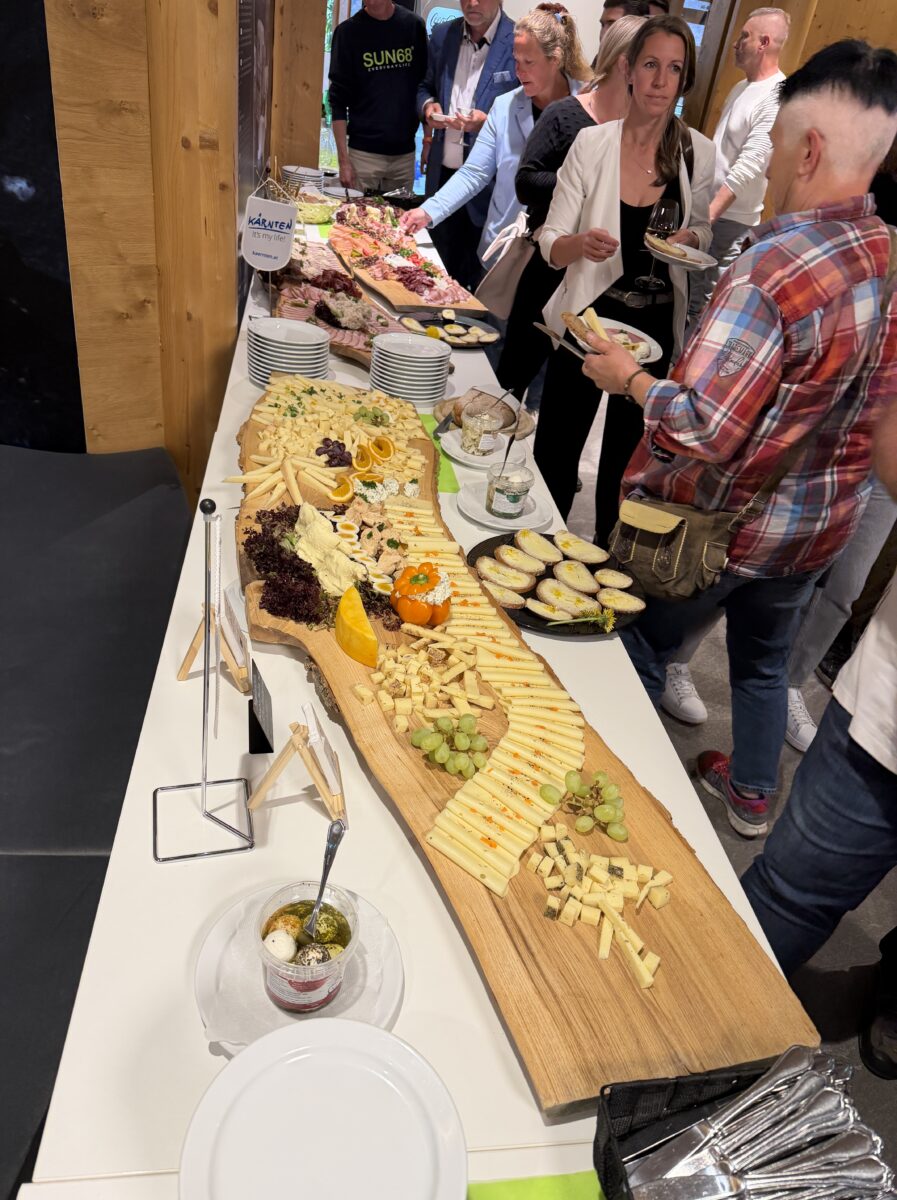
Following the presentations, there was ample opportunity for one-on-one conversations, networking, and the exchange of ideas. The afternoon came to a pleasant close with a culinary treat featuring regional delicacies prepared by Nathalie Granögger and her team fromthe Steinbock Café, as well as a guided tour of the exhibition “The King and His Throne” at the Haus der Steinböcke.
One notable feature: Tourism Day was certified as a Green Event, thereby sending a clear message about sustainability.
We would like to extend our heartfelt thanks to all the speakers, partners, and guests for their keen interest and for making this a wonderful afternoon together.
Brief overview of the presentations
Paula Müllmann, Managing Director of Hohe Tauern – the National Park Region in Carinthia
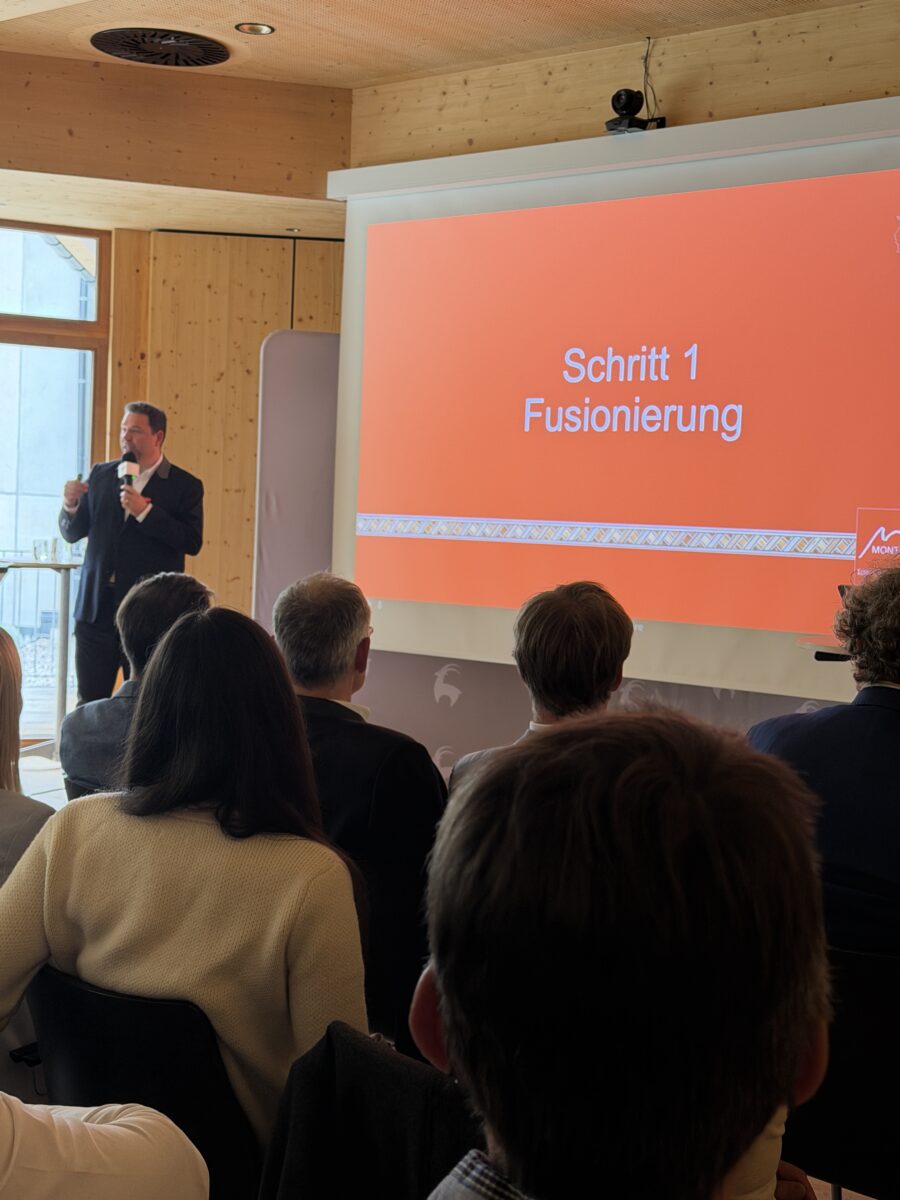
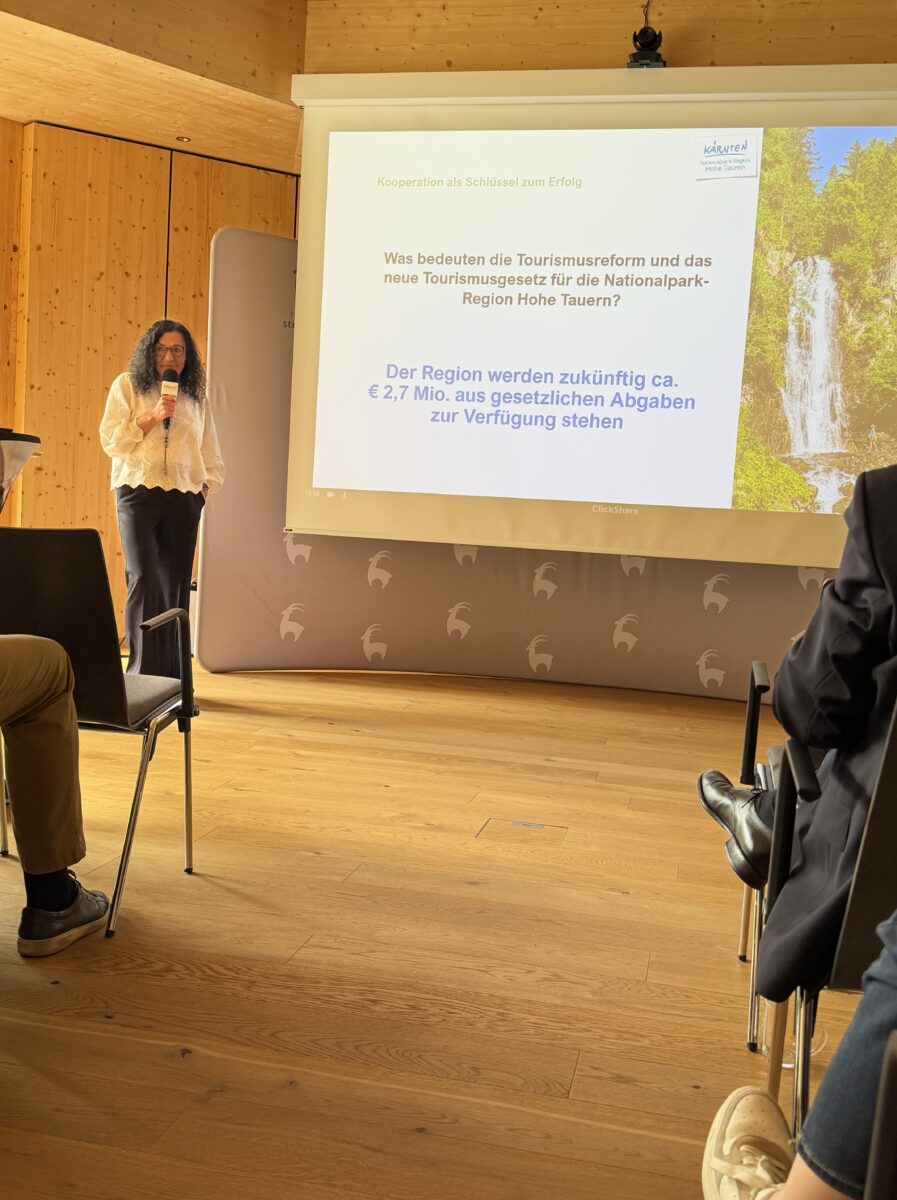
In her overview of the “Tourism Reform 2025+, ” Paula Müllmann outlined the changes ahead for the Hohe Tauern National Park region and explained why cooperation will become even more important in the future.
- The tourism reform will bring about a fundamental organizational change for the Hohe Tauern National Park region: the 15 organizations currently in place will be consolidated into a single structure.
- Instead of the current 50 or so tourism officials, there will be just 12 in the future—with the aim of making decisions more efficiently and in a more coordinated manner.
- At the same time, a unified team of employees is being formed for the entire region.
- In the future, the region will have approximately 2.7 million euros in statutory contributions at its disposal, which will make it possible to undertake larger joint projects and establish professional structures.
- The new tourism law explicitly calls for cooperation on several occasions—both among tourism associations and with Kärnten Werbung.
- It was emphasized that cooperation means more than just working together: the goal is to foster a shared “we” culture without losing the individual character of each town and community.
- Key message: The region’s future lies in strong, collaborative development characterized by clear cooperation across municipal and organizational boundaries.
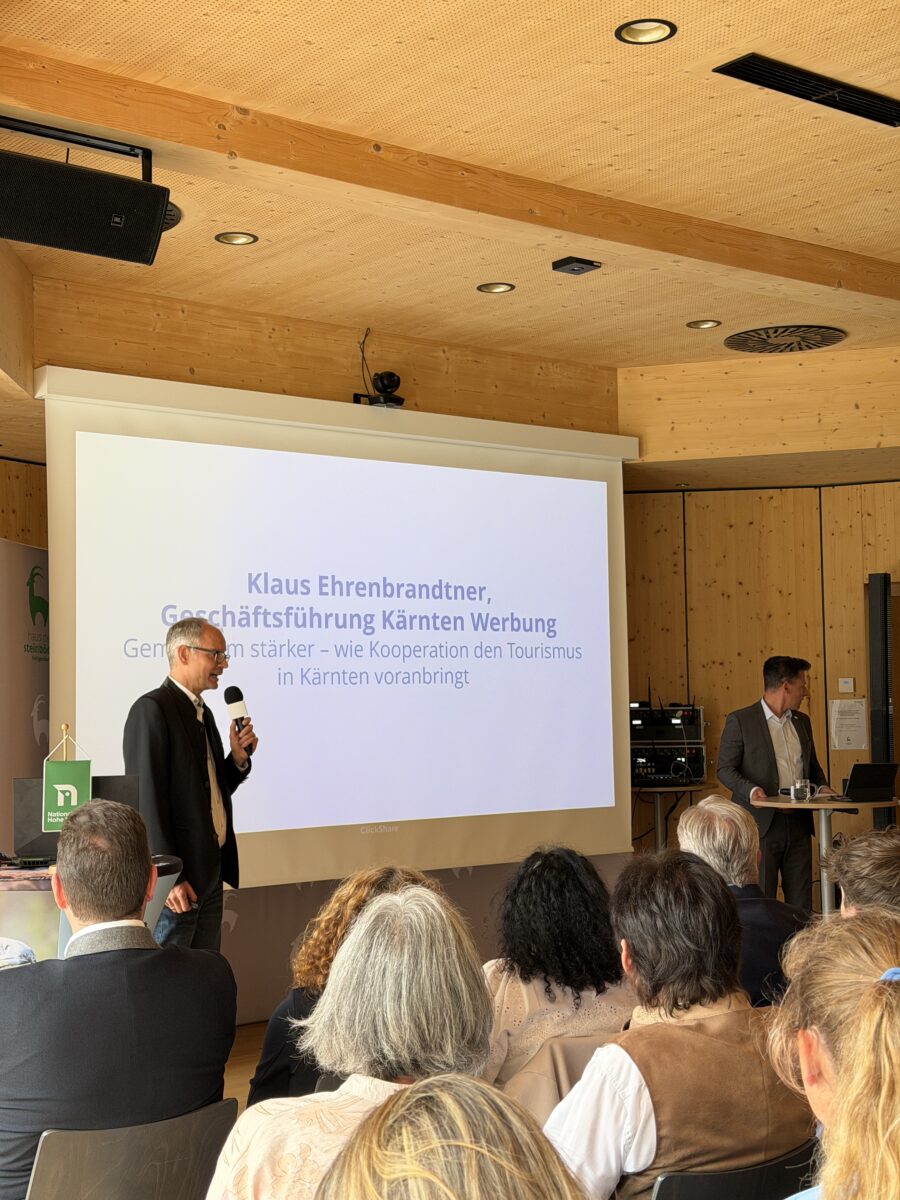
Klaus Ehrenbrandtner, Managing Director of Kärnten Werbung
Under the title “Stronger Together – How Cooperation Drives Tourism in Carinthia,” Klaus Ehrenbrandtner provided an overview of the new responsibilities of Kärnten Werbung and future collaboration with the regions.
- In the future, Kärnten Werbung will increasingly serve as a central hub connecting visitors, regions, businesses, markets, and partners.
- With the tourism reform, new responsibilities will be added starting in 2027—including statewide marketing, the design and technology for a statewide visitor information system, statewide coordination of regional tourism strategies, and coordination of support services for tourism businesses.
- The goal is to join forces and work together to make Carinthia more visible and competitive on the international stage.
- Carinthia Tourism is not only expected to market the region, but also to provide greater support, advice, and networking opportunities to regions and businesses in the future.
- Plans include training sessions, webinars, roadshows, coaching sessions, and new networking opportunities for tourism businesses.
- The focus is particularly on shared digital solutions, a unified marketing and technology infrastructure, and better alignment of supply and demand.
- The Hohe Tauern National Park region is already benefiting from joint campaigns and partnerships—for example, through international marketing initiatives, themed campaigns, and its inclusion in new flagship products such as the “Alpe Adria Roadtrip.”
- As part of international events such as the “Austrian Destination Experience CEE,” around 50 tour operators and trade media representatives from six markets will be invited to Carinthia in 2026—including activities in the Hohe Tauern National Park region.
- Key message: In the long term, Carinthia can only become stronger by working together—through clear cooperation between Carinthia Tourism, the regions, and local businesses.
Michael Umschaden, Digital Media Team Leader at Kärnten Werbung
In his presentation , “One Platform, Many Regions—The New Carinthia Website as a Result of Active Collaboration,” Michael Umschaden-Neubauer explained why digital visibility will only work through collaboration in the future.
- The digital travel market is undergoing massive changes: Already, about 40% of all search queries are answered directly by AI, without users even having to open traditional websites.
- Large platforms are gaining increasing visibility: kaernten.at currently has a digital reach that is about eight times greater than that of typical single-region websites.
- Guests don't think in terms of regional or organizational boundaries, but rather in terms of the entire vacation experience—from inspiration to booking.
- That is why the new kaernten.at is being launched as a unified platform for the entire state of Carinthia, with the goal of providing a seamless digital vacation experience.
- According to recent figures, 40% of travelers already use AI to plan their trips, while over 70% base their accommodation decisions on reviews and online information.
- Regions benefit collectively from greater reach, more efficient digital structures, and improved visibility in search engines and AI systems.
- At the same time, regional identity will be preserved: local content and distinctive features will remain visible—embedded within a strong Carinthian umbrella brand.
- In the future, it will be crucial to consistently approach content from the guest’s perspective and present it in a way that is clear, up-to-date, and easily discoverable online.
- Key message: “Guests are looking for a vacation—not an organizational chart.”
Manuel Bitschnau, Managing Director of Montafon Tourism
As the keynote speaker at Tourism Day, Manuel Bitschnau presented a talk titled “Making Cooperation Work: Insights from a Strong Tourism Region,” offering fascinating insights into the development of the Montafon—an Austrian model region for destination management with a focus on the natural environment. Many of the approaches already implemented there provide valuable inspiration for the future development of our region.
- Today, modern tourism organizations play an active role in regional development: they approach tourism not only from the perspective of visitors, but also take into account the needs of local residents, businesses, and the natural environment, stepping in when challenges can no longer be resolved by market forces alone.
- Successful regions prioritize cooperation over individual interests—in Montafon, a joint strategy was developed first to achieve this.
- Quality over quantity: Focus on sustainable year-round tourism rather than mass tourism.
- Clear profiles for locations and offerings help position a destination in an authentic and understandable way.
- Destination Management 4.0 means taking economic, social, and environmental interests into account in a balanced way.
- Public dialogue and communication on an equal footing are key factors in gaining acceptance in the region.
- Tourism organizations are increasingly becoming regional hubs for development, innovation, and collaboration.
- Key insight: “Tourism depends on the local environment—and the local environment must be able to depend on tourism.”
Info hotline
+43 4824 2700
You are currently viewing a placeholder content from Default. To access the actual content, click the button below. Please note that doing so will share data with third-party providers.
More Information